

Children's Hospital Association: How a Hospital Skyrocketed Its Single-Ventricle Survival Rate to 98%
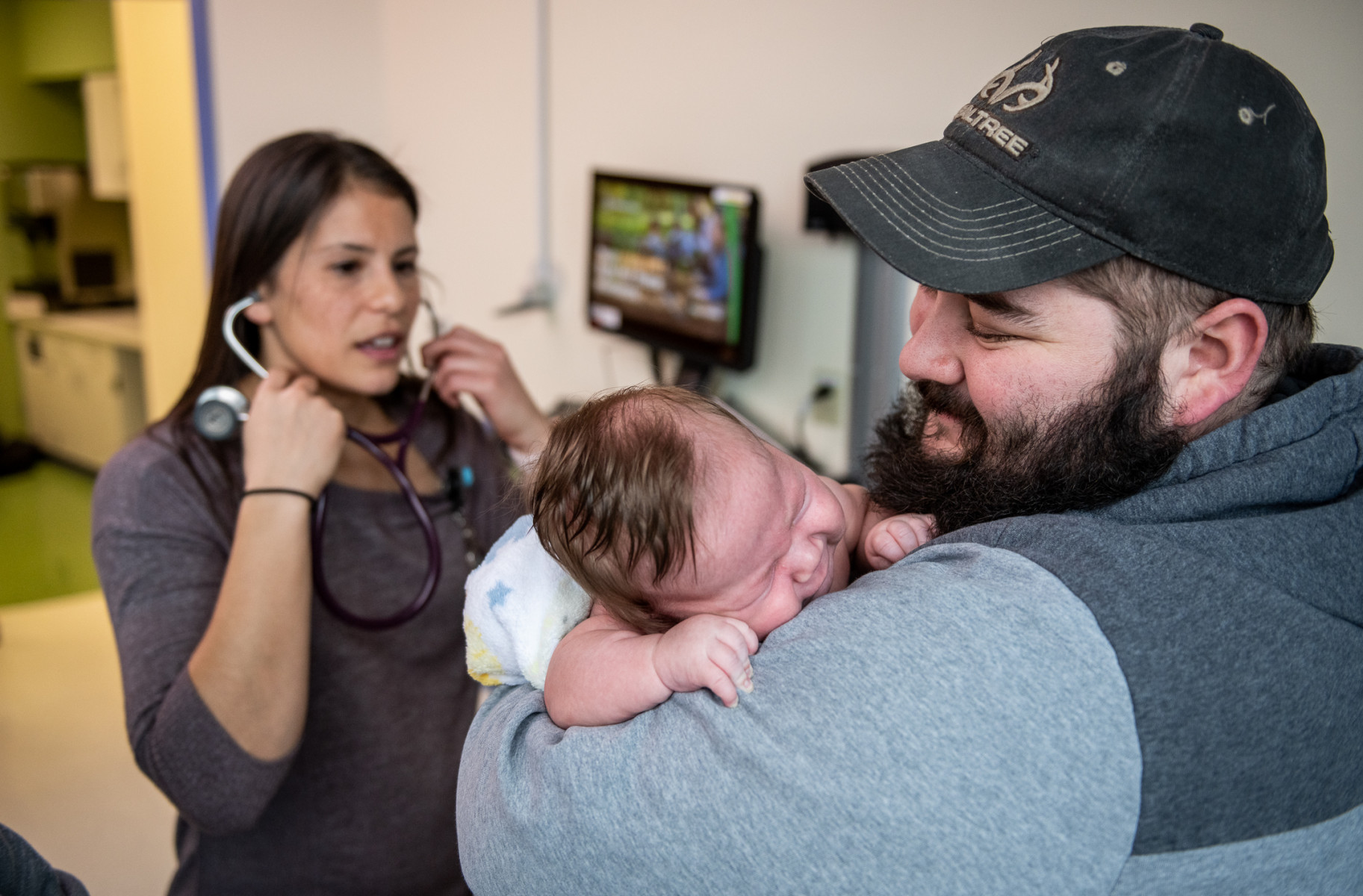
Every morning in the Ward Family Heart Center at Children’s Mercy Kansas City, you’ll find nurses watching videos of babies.
Not adorable TikToks or Instagram reels but homemade clips of vulnerable infants who are missing a ventricle from their heart.
They’re looking for subtle signs of deterioration: a change in skin color, irregular breathing, lethargic body language.
Infants with single ventricle congenital heart disease are some of the most medically fragile patients in pediatric care. The months between the first and second surgeries spent at home (called “interstage”) are especially dangerous, sometimes resulting in sudden death. A little over a decade ago, up to 20% of these patients died.
Children’s Mercy developed an app that allows nurses to keep tabs on the babies, and the survival rate rose to 98%. Over three years, the hospital had zero interstage deaths at home.
Watching closely, from a distance
Like many pediatric cardiology programs, Children’s Mercy had a home monitoring process in place before the CHAMP® app. Families were sent home with written instructions to track their baby’s weight, oxygen levels, and feeding. They scribbled notes in binders and brought them to clinic appointments every few weeks and sometimes discussed concerns over the phone.
But for babies with highly fragile hearts, the team knew they could do better.
“We wanted to see the data faster, and we wanted to be able to act on it,” said Lori Erickson, PhD, a nurse practitioner and director of Remote Health Solutions at Children’s Mercy.
Read the full article via Children's Hospital Association