

Children’s Mercy Names Yong Li, Ph.D. To Lead New Program Expanding Hope and Treatment Options for Children Facing Cancer and Other Serious Diseases
Families facing childhood cancer and other life-threatening illnesses need more than today’s treatments—they need hope for what’s next. To help bring new possibilities to children and their families, Children’s Mercy has appointed Yong Li, Ph.D., as the inaugural division director of Molecular Oncology & Cellular Therapeutics, a new program dedicated to turning scientific discoveries into real‑world care for kids.
He will also serve as the inaugural holder of the Paul and Linda DeBruce Endowed Chair in Cancer Immunotherapy, established through the generosity of the DeBruces, longtime supporters of Children’s Mercy.
The Molecular Oncology & Cellular Therapeutics division will focus on advancing new treatment options for children with cancer, while also exploring emerging therapies that could benefit children with autoimmune diseases and complications related to transplants. The goal is simple but powerful: move promising research more quickly from the laboratory to the bedside, where it can make a meaningful difference for children and families.
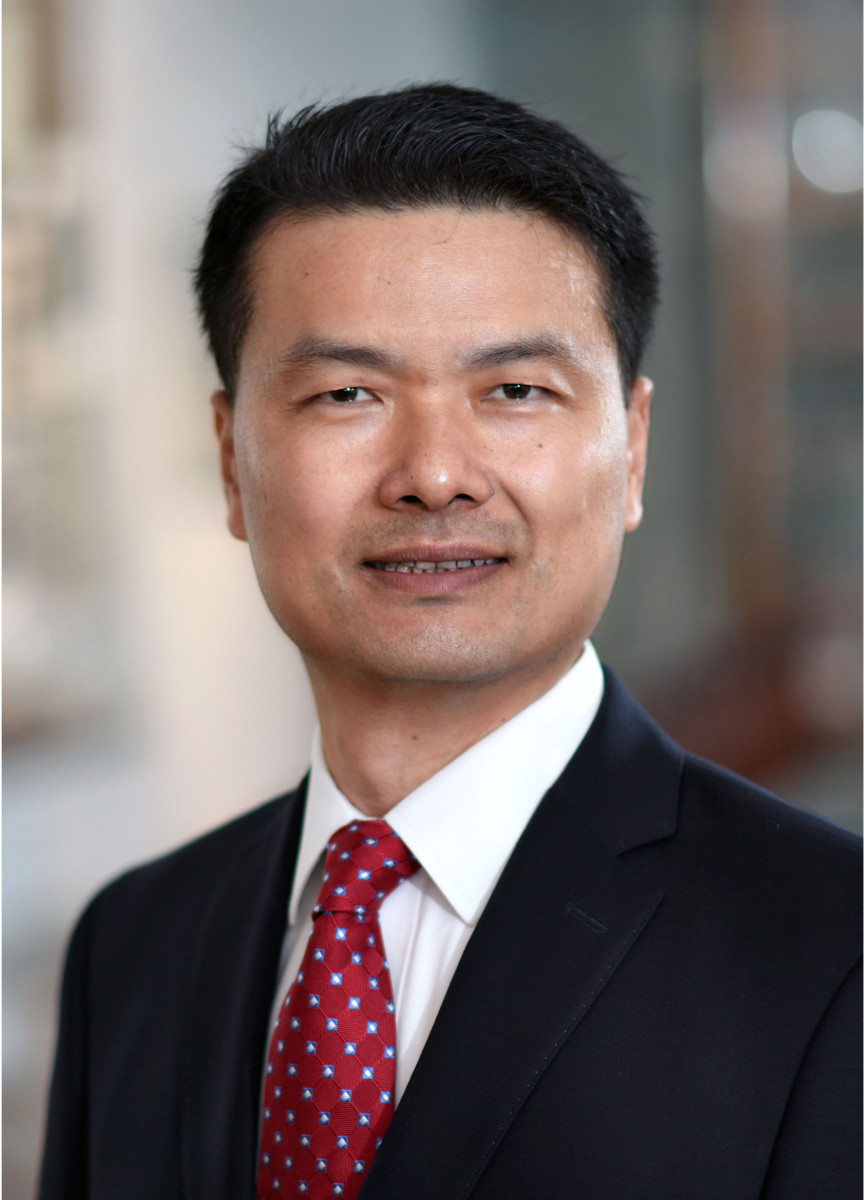
In this new role, Dr. Li will help expand Children’s Mercy’s ability to offer innovative cellular and immunotherapy treatments and strengthen its partnership with the University of Kansas Cancer Center. This collaboration supports faster progress in pediatric research and helps ensure children have access to leading-edge therapies close to home.
“Breakthroughs in cancer treatment are advancing rapidly, particularly in immunotherapy and cellular therapeutics,” said Steve Leeder, Ph.D., PharmD, Senior Vice President and Chief Scientific Officer, Children’s Mercy. “Dr. Li’s leadership will help ensure children benefit from these innovations.”
Dr. Li is an internationally recognized scientist with deep expertise in cancer biology, cell-based treatment development and the use of artificial intelligence to accelerate drug discovery. He most recently served as a professor and Cancer Prevention and Research Institute of Texas Scholar at Baylor College of Medicine, where he also led Molecular Epidemiology.
His research brings together molecular, cellular and computational science, including artificial intelligence, to identify new treatment targets and develop biologic therapies for cancer and other serious diseases. Dr. Li currently leads one of a small number of National Cancer Institute‑funded U54 Cancer Prevention‑Interception Centers focused on advancing precision medicines.
Supported by multiple National Institutes of Health grants, Dr. Li has served as principal investigator on research exploring PD‑L1 biology, p53‑directed therapies and computational drug development. His career includes leadership roles at Baylor College of Medicine, Cleveland Clinic and the University of Louisville, as well as postdoctoral training at Yale University with Nobel laureate Dr. Sidney Altman. He has earned national and international recognition for his work, including election as a Fellow of the American Association for the Advancement of Science.
“Children’s Mercy offers world-class clinical care and a strong research foundation,” Li said. “I look forward to leveraging these strengths to advance innovative therapies and bring new hope to children and families facing cancer.”