

NPR: Youth cheerleading is getting more athletic - and riskier
By Pien Huang
Dr. Amy Xu got hooked on cheerleading in the fifth grade.
As she pursued the sport in high school and college, she witnessed how the routines started demanding increasingly complex acrobatic feats — tall human towers and tumbling passes with many twists and flips.
It wasn’t unusual for her and her teammates to get concussions and other injuries.
“I saw individuals that are constantly battling through chronic conditions, suffering through acute injuries because it's a sport that requires practice and participation all year long,” says Xu, now an orthopedic resident at the Hospital for Special Surgery in New York.
Xu, who has published research on injuries related to cheerleading, says the sport that isn’t really talked about much in the literature.
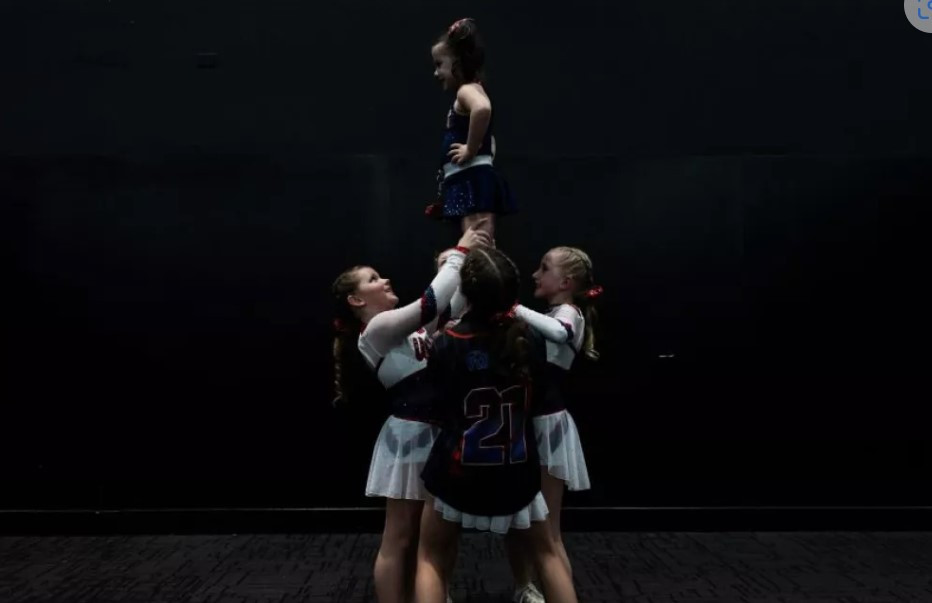
Pediatricians are now raising awareness of the risks. For the first time in over a decade the American Academy of Pediatrics has issued an updated statement this week on the risks of injuries related to youth cheerleading, and how to prevent them.
The group is calling for cheerleading to be formally recognized as a sport, and for cheerleaders to get the same resources and support as other athletes.
Dr. Gregory Canty, who co-authored the AAP statement, says he sees cheerleading patients “daily” in his medical practice.
“As the athleticism and the height on [cheerleading] stunts get higher and higher, that leads to an increased risk of injury — and some degree of serious injury,” says Canty, medical director at the Sports Medicine Center at Children’s Mercy hospital in Kansas City, Mo.
Read the full article via NPR