

Science: Personalized miniorgans could speed treatments for rare diseases
By Jocelyn Kaiser
Tens of thousands of babies are born each year with mysterious diseases caused by genetic mutations so rare no one has yet tried to develop a treatment. Now, researchers have found a way to use tiny blobs of tissue grown from patients’ blood cells to speed up the lab work needed to test personalized drugs for some of these sick children. Their study, published today in Nature, suggests these lab-grown “organoids” can help predict the treatment effects of genetic drugs made from RNA.
Testing customized RNA drugs using tissues created from a patient’s own cells “hasn’t really been done,” says developmental biologist Madeline Lancaster of the Medical Research Council Laboratory of Molecular Biology, who was not involved in the work. “This is a very impressive and important study,” she says, that could cut the high costs and speed the pace of personalized medicine.
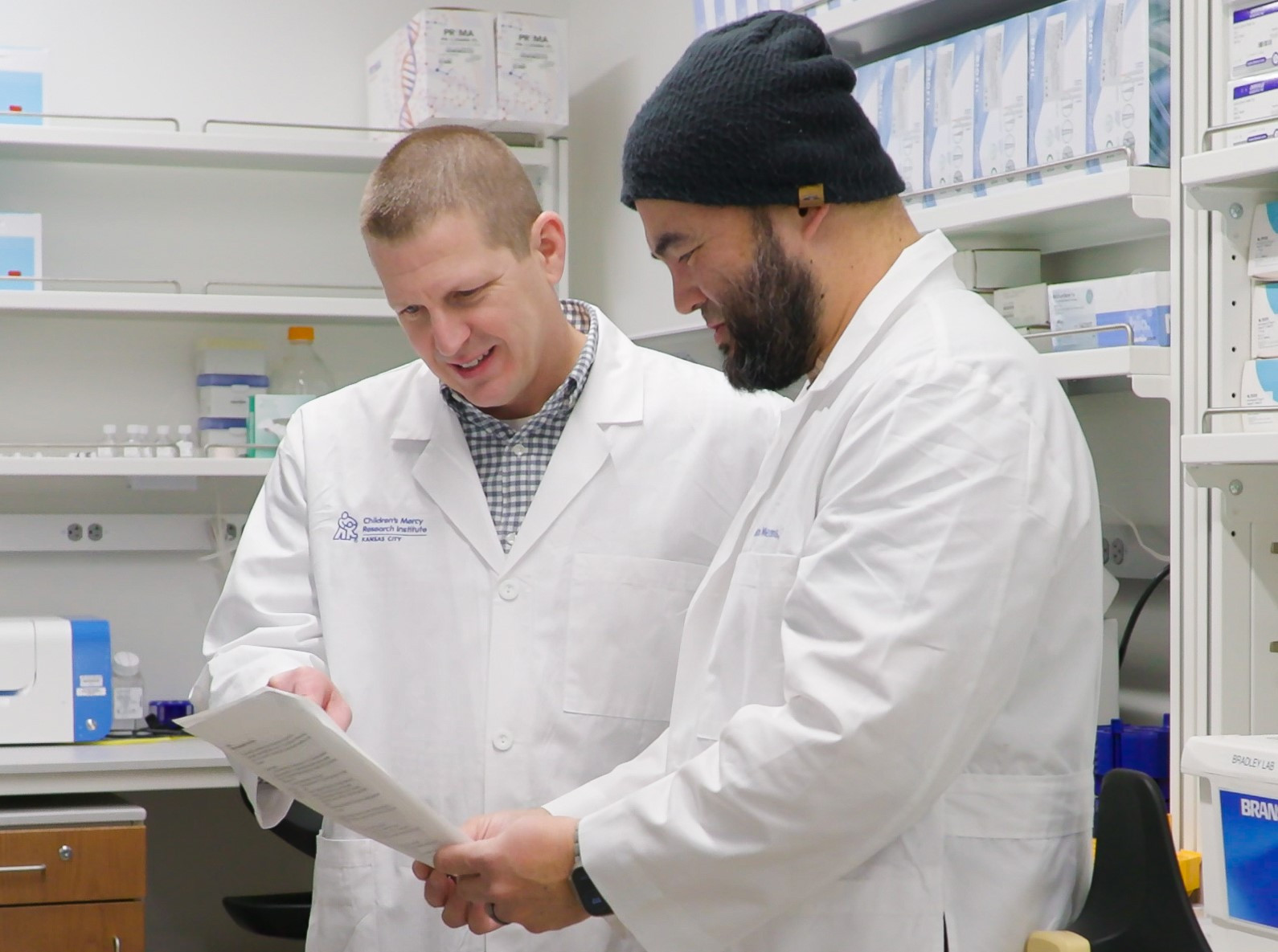
The study’s leader, molecular biologist Scott Younger of the Children’s Mercy Research Institute, was inspired by the story of Mila, a girl with a rare brain disorder called Batten disease who temporarily improved after researchers quickly developed a drug tailored to her unusual disease mutation. The drug was an antisense oligonucleotide (ASO), a strand of RNA that can fix a mutation by bridging a flaw in the gene’s messenger RNA, the blueprint for building a protein. Younger wanted to develop tailored ASOs for patients enrolled in an initiative at his institute that aims to sequence the genomes of 30,000 children with rare genetic conditions over 7 years to identify their disease-causing mutations.
Read the full article via Science