

Kansas City Magazine: The Precision Revolution
By David Hodes
Medicine has entered the brave new world of precision medicine, and many of Kansas City’s healthcare institutions are at the forefront.
What is precision medicine? A personalized approach to care where treatments are specifically tailored to the patient using advanced technology. Here in KC, researchers are using advances in genomics, molecular biology, artificial intelligence and advanced imaging to identify the right treatment for the right patient at the right time—particularly in diseases such as cancer, where therapies can precisely target a tumor’s genetic drivers.
“It’s such a great time to be in medicine and particularly in cancer medicine because there’s so much going on,” says Dr. Jeffrey Holzbeierlein. He leads a research team at KU Medical Center studying the causes and novel chemotherapeutic drug treatments for prostate and bladder cancer. Holzbeierlein’s lab has screened more than 1,000 drug compounds, all created at KU, with several moving into clinical trials. “I think as a physician who has been here for 24 years, seeing things that didn’t move along for 10 or 15 years, that’s finally changed,” he says. “Within the last few years, the number of new therapies that have come out are changing the face of cancer. It is really quite remarkable.”
These innovations are not just happening in a silo at one area healthcare center; they are coming together via a healthcare innovation corridor where data analytics and clinical trial results are shared among doctors and researchers at KU Medical Center, Children’s Mercy Kansas City, UMKC and Stowers Institute for Medical Research.
In a public-private collaboration announced in February, the University of Kansas Health System, KU Medical Center and Children’s Mercy, working with Bold Advanced Medical Future Health based in Grand Rapids, Michigan, will establish one of the country’s first fully integrated theranostics platforms for adults and kids, bringing together radiopharmaceutical production, molecular imaging, radiopharmaceutical therapy and various clinical trials.
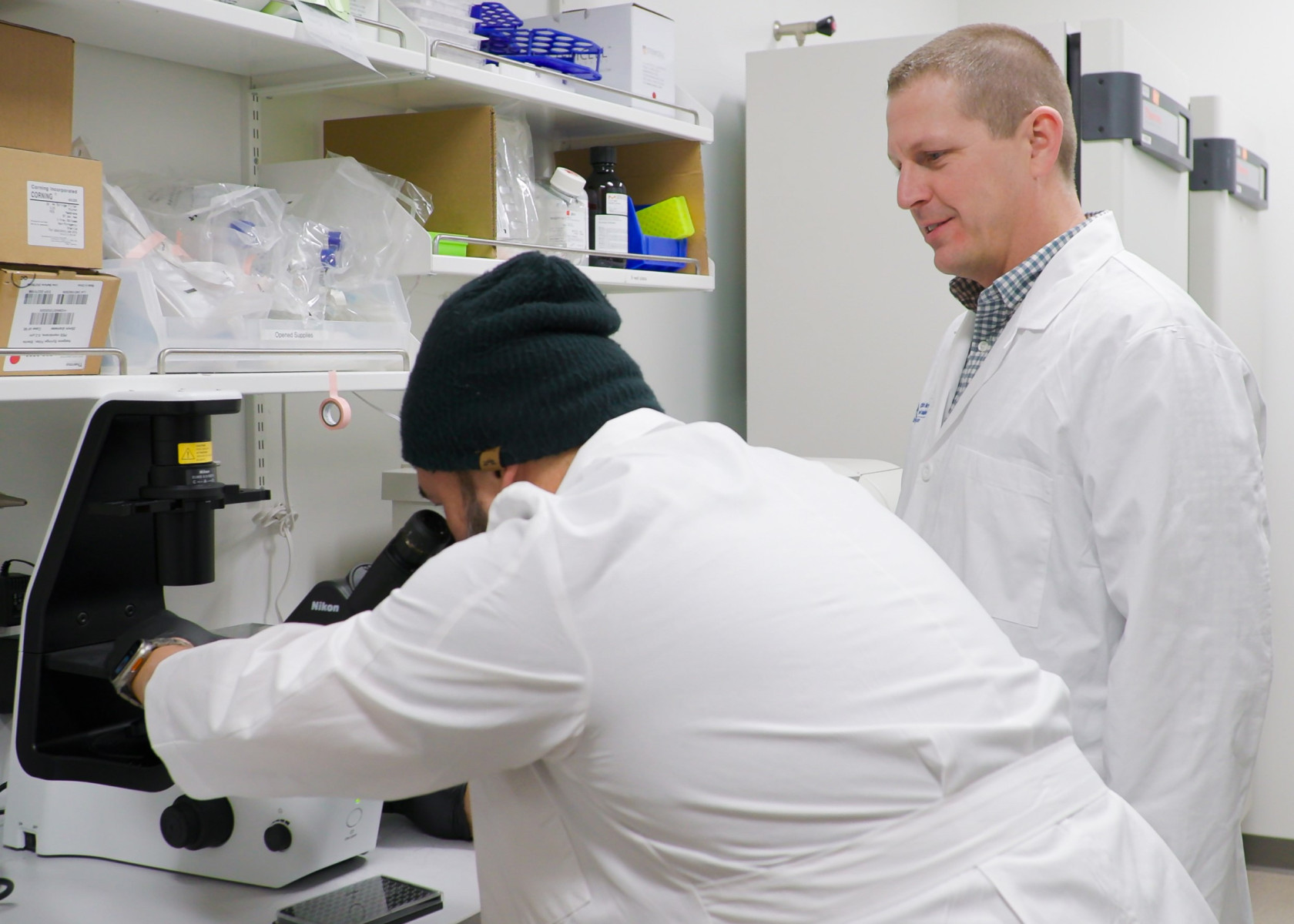
Scott Younger is the director of disease gene engineering within the Genomic Medicine Center at Children’s Mercy Hospital. He is doing a lot of work with organoids models, which are tiny 3D tissue cultures ranging in size from the width of a hair to five millimeters. They are made from stem cells, which can be manipulated to resemble miniature lab-grown human body organs. Drug therapies can be tested in a petri dish instead of the organ inside a living human patient.
Researchers have been able to produce organoids that resemble the brain, kidney, lung, intestine, stomach, liver and more. Each organoid is used to see how drugs interact with a particular organ. “They’re real complex little balls of cells that you can grow in a dish,” Younger says. “If we grow neuronal organoids or brain organoids in a dish, we see that those manifest phenotypes (the physical traits of an organism) that are representative of diseases. We are spending a lot of our focus now on epilepsy.”
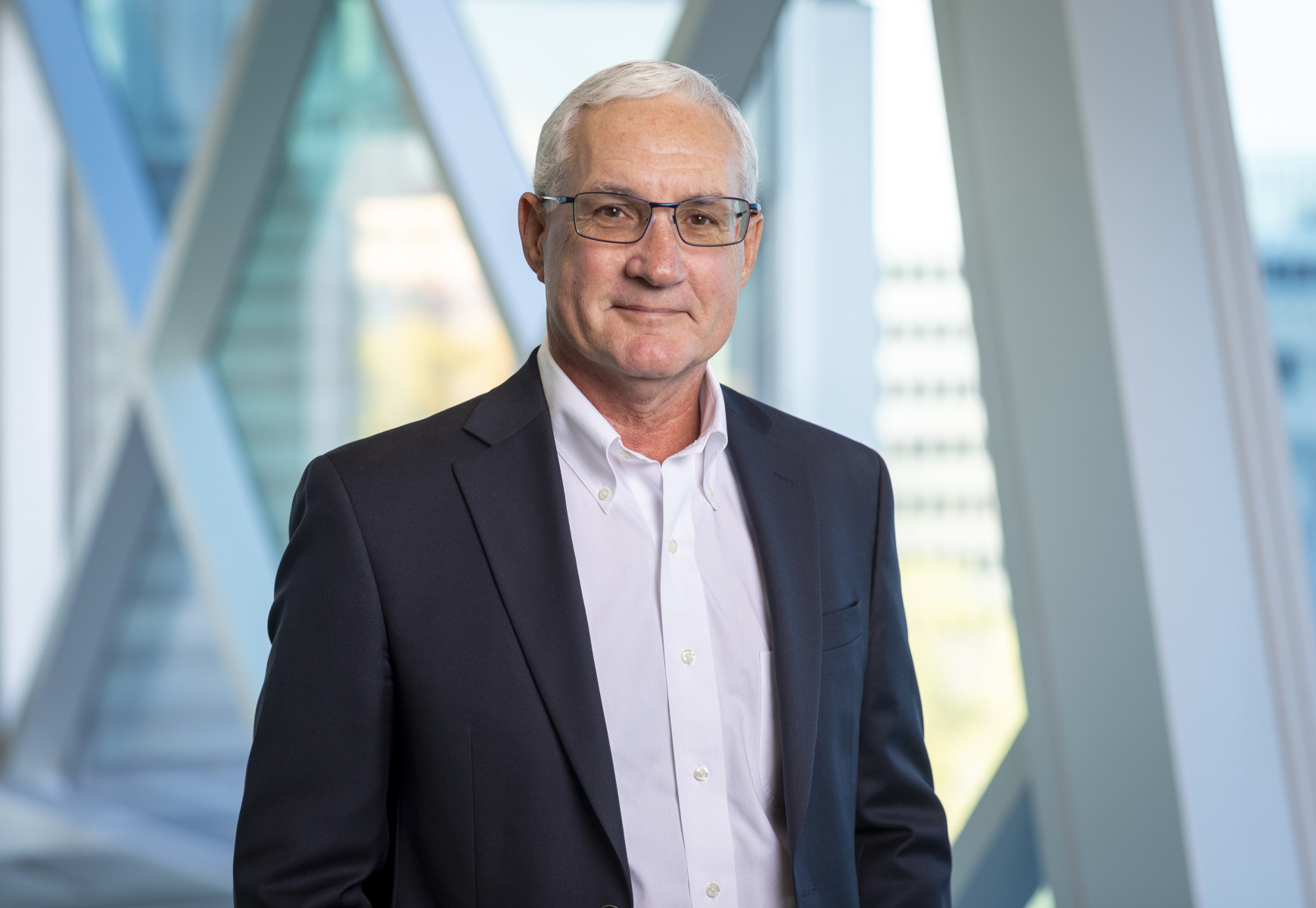
The work being done by Steven Leeder, senior vice president and chief scientific officer at Children’s Mercy Kansas City, complements Younger’s work to identify the best treatments.
“You start off with the medication that perhaps you’re most familiar with,” Leeder says. “Invariably, not everybody responds to the same medication in the same way, even getting the same dose. So using organoids as Scott described it is one of the ways where we can start to get at which of a series of choices might be the best for a particular patient. The essential question comes down to, ‘Why is it that you can take a group of teens with depression, let’s say, and give them Prozac according to the FDA guidelines, and some kids will respond, and some kids may not?’ So we want to get to what underlies the variability in the response.”
Read the full article via Kansas City Magazine
The Children's Mercy Research Institute
Nature publishes transformative Children's Mercy Research Institute study